From Obscurity Up Home

Category

Science & Innovation

23 articles

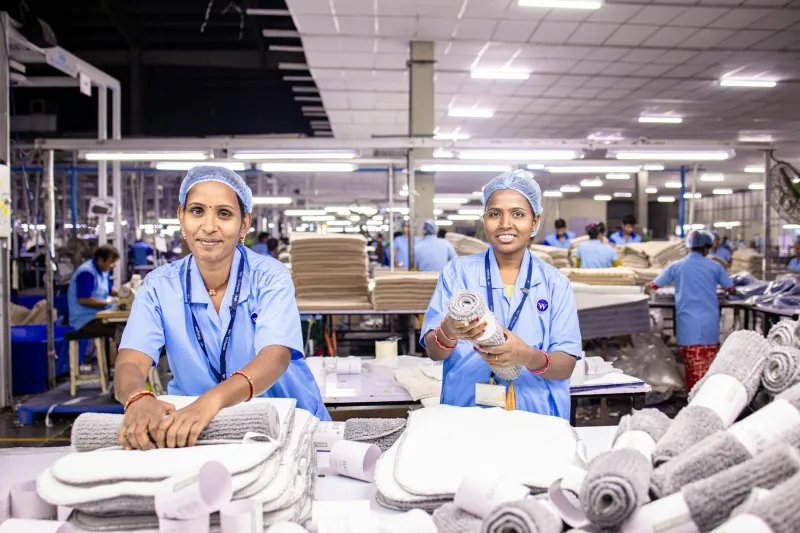
Assembly Line, Midnight Ink: The Factory Shift Worker Who Composed Her Way Into Carnegie Hall

Assembly Line, Midnight Ink: The Factory Shift Worker Who Composed Her Way Into Carnegie Hall

During World War II, Mary Lou Williams spent her days on a factory floor and her nights writing orchestral jazz that would eventually premiere at Carnegie Hall. Her story dismantles the comfortable myth that genius needs quiet and leisure to flourish — and makes a compelling case that constraint, properly inhabited, can be the most productive creative force there is.

Stung Into History: The Missouri Farmhand Whose Beehives Quietly Rewrote Pain Medicine

Stung Into History: The Missouri Farmhand Whose Beehives Quietly Rewrote Pain Medicine

Charles Mraz never earned a medical degree, never published in a peer-reviewed journal, and never worked in a lab with fluorescent lights and a budget. What he had instead were thousands of hives, decades of obsessive notes, and a stubbornness that outlasted every dismissal credentialed science could throw at him. The treatments he pioneered are still helping people today — and most of them have never heard his name.

The Words She Never Had: How One Hospital Laundry Worker's Late-Life Literacy Changed Safety Forever

The Words She Never Had: How One Hospital Laundry Worker's Late-Life Literacy Changed Safety Forever

For twenty-three years, she knew exactly which linens carried the highest contamination risk, which machines ran hot enough to matter, and which shortcuts could get someone killed. She just couldn't write any of it down. When she finally learned to read at forty-four, the knowledge she'd been carrying in her head quietly became the most important safety document her hospital had ever produced.

Code After Sixty: How a Prairie Town Librarian Saved a Language from Extinction

Code After Sixty: How a Prairie Town Librarian Saved a Language from Extinction

When the last fluent speakers of Wahpeton Dakota were approaching their final years, university experts had given up. But Margaret Hendricks, a small-town librarian with no programming experience, refused to accept defeat. At sixty-two, she taught herself to code and built the digital archive that preserved an entire culture.

Second Acts: When Life's Best Chapters Begin After Fifty

Second Acts: When Life's Best Chapters Begin After Fifty

While their peers were planning retirement, these seven entrepreneurs were just getting started. From failed farmers to bankrupt inventors, they proved that America's most transformative companies often emerge from life's second chances.

Waffle Iron Dreams: The Stubborn Craftsman Behind the Shoe That Changed Sports Forever

Waffle Iron Dreams: The Stubborn Craftsman Behind the Shoe That Changed Sports Forever

Before Nike was a global empire worth hundreds of billions, it was a track coach in Eugene, Oregon, crouched over his wife's waffle iron with a cup of rubber and a very specific idea. Bill Bowerman's obsession with building a better shoe didn't come from Silicon Valley ambition — it came from a blue-collar stubbornness that refused to accept the tools at hand were good enough. This is the origin story that got left out of the legend.

The Man in the Garage Who Quietly Rewired the American Refrigerator

The Man in the Garage Who Quietly Rewired the American Refrigerator

By the time he was 47, Walter Grimes had lost his business, his reputation, and most of his savings. What he hadn't lost was a stubborn idea about keeping food fresh — and a rented garage where he could work without anyone telling him it was impossible. The breakthrough he developed there would eventually touch nearly every grocery store in America. Almost nobody knows his name.

The Boy Who Drew Television in the Dirt and Died Without Credit

The Boy Who Drew Television in the Dirt and Died Without Credit

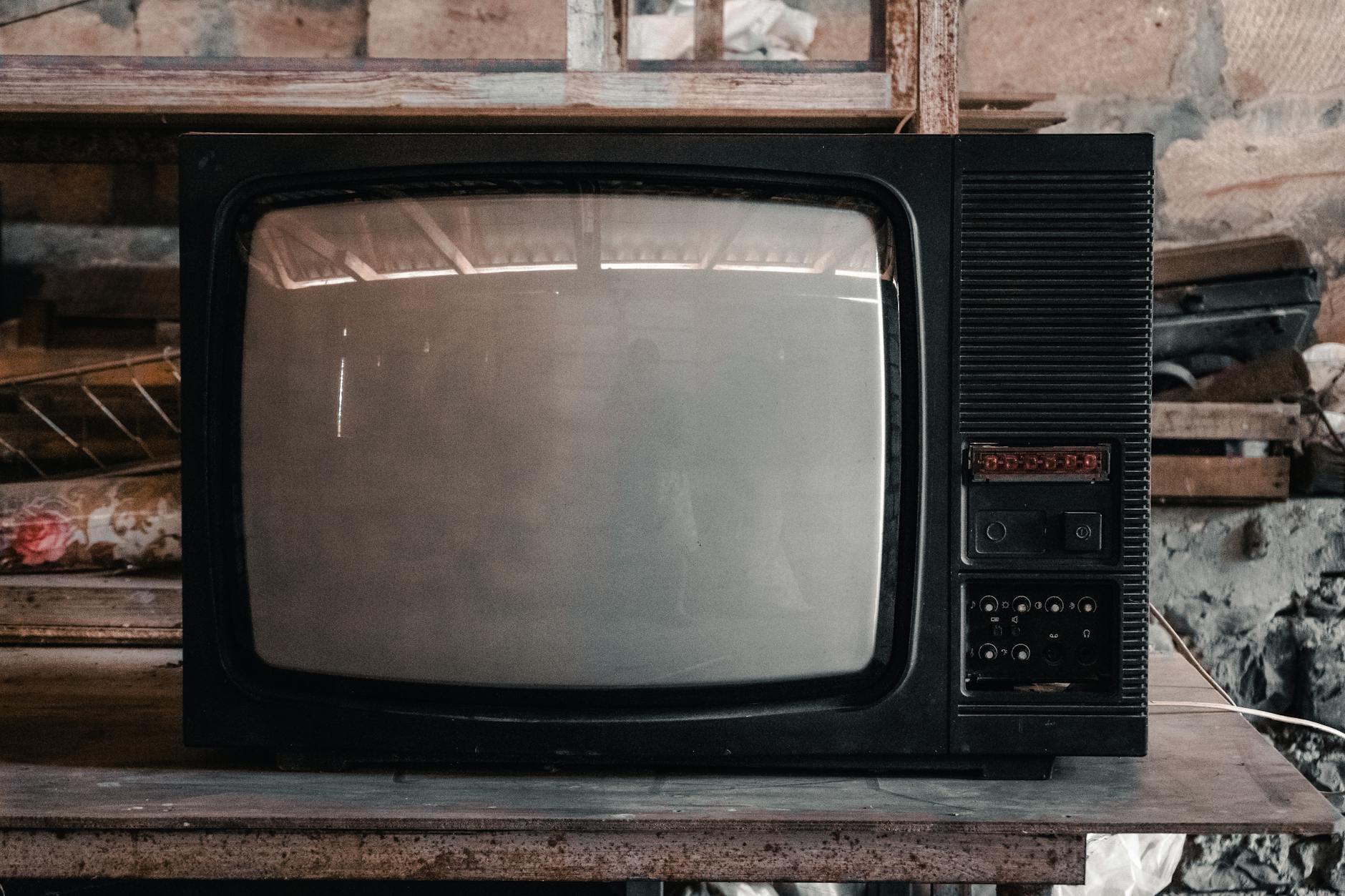
At 14, Philo Farnsworth sketched the blueprint for electronic television in an Idaho potato field and spent the next two decades fighting the most powerful media corporation in America to prove it was his idea. He won the patent battle. He lost almost everything else. His story is a masterclass in how America treats the people who actually build the future.